
Your garden is full and healthy in spring, but a few short months later, it’s tired and looks more like a baked biscuit. Virginia summers are no joke.
The heat builds fast and rainfall becomes inconsistent. The plants that you thought were well established can start showing stress in a matter of days.
If you want your lawn, shrubs, and flower beds to hold their color and shape through the hottest stretch of the year, they need more than occasional attention. You need consistent complete softscape maintenance services to keep them all looking their best.
Softscape maintenance during summer protects the living parts of your property when they are under the most pressure. Grass struggles with heat, beds dry out unevenly, and shrubs can put on weak growth if they are not pruned and monitored correctly.
Taking a proactive approach keeps those problems from gaining momentum and helps your landscape stay balanced and attractive, even when the summer weather works against it.
Summer Stress Exposes Problems Quickly
Plants respond very quickly to environmental changes, so a few hot days combined with shallow watering or compacted soil can create visible stress sooner than you might think.
You may start to see dry patches in the lawn, drooping annuals, faded foliage, or overgrowth in areas that suddenly took off after a summer storm.
These issues rarely stay isolated. A stressed lawn becomes thinner, which gives weeds more room to spread. A neglected shrub can throw off the shape of an entire bed. Flowering plants that miss their watering window often stop performing the way they should.
Summer softscape care works best when you stay ahead of pant needs rather than waiting for an obvious decline. That’s why consistency matters more than intensity.
One deep round of attention followed by two weeks of neglect usually leaves you behind. Regular, measured care from a full-service hardscape and softscape service creates steadier conditions that allow plants to respond and stay thriving.
Watering Needs More Than a Schedule
Summer watering is not about turning on the irrigation and hoping for the best.
Your landscape needs water delivered in a way that supports root health and matches the conditions on your property. Different areas of your yard dry out at different speeds depending on sun exposure, slope, plant type, and soil composition.
For example, a lawn in full afternoon sun may need a different watering pattern than foundation shrubs on the shaded side of the house. The same goes for flower beds near patios or stone walkways, where reflected heat can dry the soil faster.
If you water every area of your property exactly the same way, you’ll get mixed results. Often, one area gets too wet while another gets parched and struggles to survive.
Consistent softscape maintenance factors in those differences and adapts to them. It helps you catch issues early and support stronger root systems instead of encouraging shallow growth. That kind of attention makes the entire landscape more resilient and better able to last through the hot summer months.
Soil Health Drives Everything Above Ground
When summer stress hits, your soil quality will often determine how well plants respond to the changes.
Healthy soil holds moisture more effectively, allows oxygen to reach roots, and supports the steady nutrient uptake that keeps lawns and beds looking strong. Poor soil dries out quickly, making other maintenance efforts less effective.
If your soil is depleted or compacted, adding more water will not always solve the problem. The roots still struggle. The lawn still thins. The beds still look tired. Good summer maintenance includes monitoring mulch levels, watching for compaction, and supporting the soil so the plants have a better foundation.
Pruning and Grooming Keep Plants in Balance
Summer growth can get messy quickly. Some shrubs put on fast, uneven growth after spring. Perennials can flop, spent blooms can drain energy, and overgrown edges can make an otherwise polished property feel neglected.
Regular pruning and grooming keep the landscape structured and help plants direct energy where it matters most.
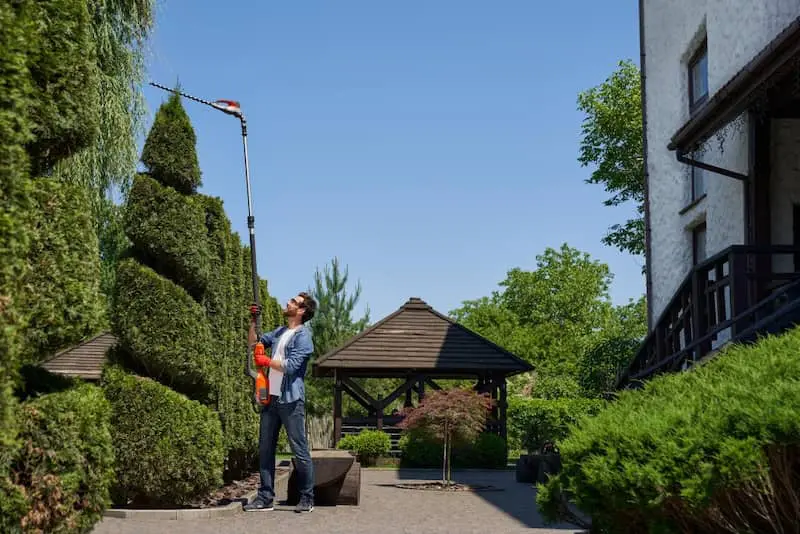
But that does not mean cutting everything back aggressively. Good summer pruning is selective. You remove dead or damaged material, shape unruly growth, and keep plants from crowding each other.
Pest Problems Escalate In Heat
Summer creates ideal conditions for certain pests and diseases, especially when plants are already stressed.
You may spot the telltale signs of chewed foliage or sections of turf that decline faster than expected. But by the time the damage is obvious to the naked eye, the underlying issue has often been going on for a while.
A consistent approach to softscape maintenance gives you more chances to catch those problems early. A healthy lawn and well-maintained plants can recover much more easily than neglected ones. Monitoring matters as much as treatment.
This is also where softscape experience becomes valuable. Different types of summer damage can look similar on the surface, but the causes can be very different.
Dry conditions, fungus, insect pressure, and soil imbalance can all leave behind a similar visual trail. A steady maintenance rhythm helps distinguish temporary stress from a deeper issue that requires attention.
Small Summer Problems Can Turn Into Expensive Fall Repairs
Landscaping does not usually fail all at once. You’ll see it start to slip in stages. A patch of turf weakens. A shrub starts browning at the edges. One bed dries out because irrigation coverage is uneven. If you ignore those signs through the summer, you often end up dealing with larger corrective work later in the year.
That is another reason a consistent approach to softscape care is best for your outdoor space. It means you are reducing the chance that manageable summer stress will turn into plant loss or major lawn recovery work.
Landscapes that receive regular attention often enter the cooler months in much better condition, making seasonal transitions easier.
For homeowners and property managers, this also affects how the entire property feels. A healthy, well-kept summer landscape looks good and shows off your property.
What Consistent Summer Care Usually Includes
With their knowledge of the Virginia climate, a local softscape and hardscape company can put together a strong summer maintenance routine for your home.
This plan will often focus on a few key areas.
First, regular monitoring of irrigation performance and dry spots to make sure water reaches the right areas before visible stress sets in.
Second, targeted pruning, grooming, and deadheading to keep shrubs and flower beds balanced, clean, and healthy.
Finally, you can expect ongoing checks for soil health, pests, and signs of plant stress so your contractor can correct small issues before they spread.
These tasks are straightforward, but they work best when they are done regularly; the timing often matters as much as the task itself.
A Better Landscape Through the Toughest Season
Summer has a way of exposing all of the weak points in a landscape. It reveals where the soil is tired, where the watering is uneven, and where growth has been left unmanaged for too long.
That is why consistent softscape maintenance matters so much during this season. It keeps your landscape healthy when conditions are the most demanding.
If you stay proactive with watering, soil care, pruning, and monitoring, your outdoor space has a much better chance of staying green through the toughest months. In summer, you need to give your landscape the support it needs to perform well before stress takes hold.