
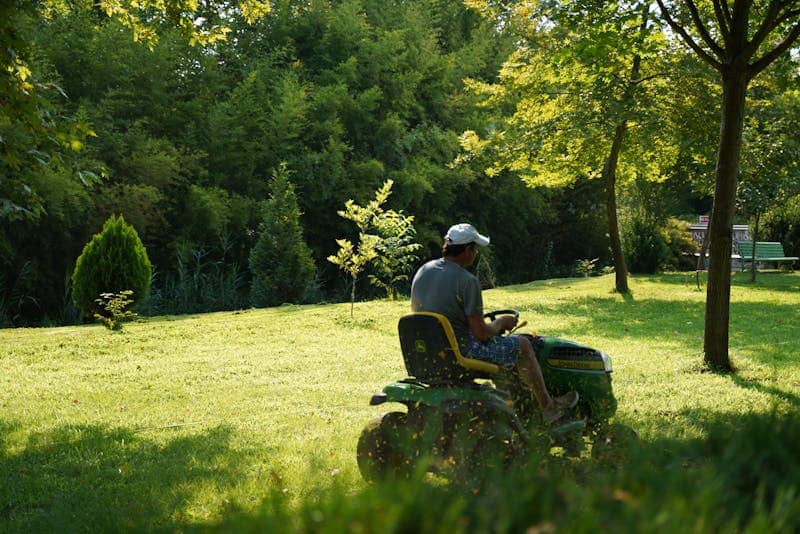
A healthy, attractive garden doesn’t happen by accident and rarely stays the same for long.
Plants grow larger, tree canopies shift the light, soil changes with weather and use, and each season brings different stress points. So much of strong landscaping care depends on observation and adjustment, and you can’t follow only a generic routine and get the best results.
If you want your landscape to stay balanced and visually sharp, maintenance has to respond to what is actually happening in the garden. That means looking beyond the calendar and paying attention to plant health, drainage, soil condition, and how the original design is evolving.
Good care supports the way a garden matures instead of forcing the same routine onto changing conditions. But not everyone has the time or inclination to spend that much time on yard work, and that is where a professional softscape service can be a valuable asset.
Gardens Change Faster Than You Think
A planting plan may look settled after initial installation, but the landscape continues to develop long after the first season.
Shrubs fill out, perennials spread, and trees begin casting more shade than they did when everything was new. As those changes occur, the garden starts to require different care.
A bed that once got full sun may now spend half the day in filtered light. A lawn edge that stayed dry may begin to hold moisture after nearby plants thicken. Even the look changes as plants compete for space. If you don’t keep up with maintenance, the garden can start to feel crowded and overgrown.
This is one reason a fixed maintenance checklist tends to fall short. It may keep the property looking tidy on the surface, but it does not always support the deeper health and structure of the landscape. For homeowners, a high standard of outdoor maintenance may require the assistance of professionals at key times of the year.
Plant Health Requires Ongoing Adjustments
Plants rarely respond well to autopilot care. They also do not all decline the same way.
Some show stress through yellowing leaves. Others stop blooming. If you don’t have the knowledge to keep your garden healthy, or to spot the signs of its decline, you may end up with a barren wasteland before too long.
A thoughtful maintenance approach responds to those signals early. If a shrub has become too dense, selective pruning can restore airflow and shape. If a perennial bed is losing energy, the issue may be crowding. If one section of lawn consistently struggles, that may point to poor irrigation coverage.
Making the right adjustments at the right time helps your garden stay healthy and growing.
Soil Conditions Shift Over Time
Soil is one of the biggest factors in long-term garden performance, and it changes more than many homeowners realize.
Rainfall patterns, root growth, traffic, leaf litter, and previous treatments all influence how soil behaves. Over time, areas can become compacted. Some soil may dry out while others begin to hold too much moisture.
That means your soil care should evolve with your landscape. A bed that looked fine in its early years may later benefit from compost or improved drainage as the planting becomes denser. A lawn that handled summer well one season may struggle the next because soil compaction has increased around the main footpaths.
When landscaping care adapts to soil conditions, the whole property tends to respond better. Plants establish more evenly, and seasonal stress causes less visible damage, leaving you with a luscious, relaxing space.
Sunlight and Shade Never Stay Static
One of the most subtle changes in a garden comes from shifting light. As trees mature and shrubs fill in, the amount of sun hitting each bed can change.
A space that once supported sun-loving plants may begin favoring species that tolerate more shade. This is a gradual change you may not notice at first, but if your maintenance plan ignores it, plant performance can start to decline.
You may notice fewer flowers blooming or certain shrubs leaning toward available light. Those are clues that the environment has changed.
Sometimes the answer is pruning to reopen light. Sometimes it is replacing plants with better-suited varieties. Sometimes it is as simple as accepting that the garden has matured into a different phase.
An experienced softscape designer will know which plants need adjustments. They can help keep your outdoor space feeling deliberately designed rather than forced into a yard that no longer supports it.
Design Goals Matter as Much as Maintenance Tasks
Landscaping care should support the original design while also respecting how your priorities change over time.
A garden that once emphasized color may later need a more structured look. A backyard designed around young children may need to shift toward entertaining or low-maintenance comfort as your lifestyle changes.
That is why good care does more than trim and clean. It considers the bigger picture and asks whether the garden still aligns with your goals. If the current maintenance style is not meeting your needs, a professional can guide you through the changes needed.
For example, a bed filled with fast-growing shrubs may need thinning if it has started to block a sightline you value. A tree that has matured beautifully may deserve a stronger underplanting scheme to frame it properly.
Garden maintenance becomes most effective when it protects the look and function you actually want from the space.
Seasonal Care Should Reflect Real Conditions
Every season brings some predictable maintenance tasks, but real gardens do not follow a script to the letter.
One summer may bring extended heat and dry soil. But another may bring heavy rain and disease pressure. A winter with repeated freeze-thaw cycles can affect hardscape edges and root zones, altering how spring care should begin.
And this is where flexible maintenance stands apart from rigid scheduling.
Seasonal care is still important, but it works best when it adjusts to actual weather patterns and your plants’ responses. A garden may need more pruning one year and more soil work the next. A lawn may need aeration because of compaction rather than because the calendar says it is time.
Professional landscapers know how tough it can be to know what’s best for your garden, especially when seasonal changes can have such a big impact. Many companies will offer seasonal arrangements, such as a spring landscape valet package or winter preparation, to make the change of seasons easier for you.
A Garden That Evolves Well Feels Better Every Year
Landscapes are living systems. They reward attentive, flexible care that responds to their needs, just like people or pets do.
When maintenance adapts to changing conditions, your garden is more likely to stay healthy and attractive, which is the sort of space you want to be out in.
When maintenance stays responsive, a garden holds its structure and thrives over time. That means fewer problem areas to fix and more time enjoying a space that works the way it should.