
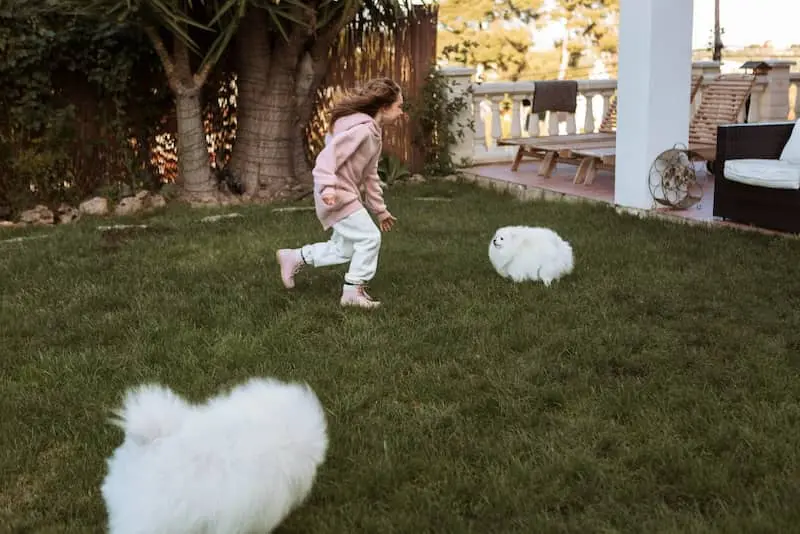
When you search for “pet-friendly lawn care near me,” you’re probably thinking about what goes on top of the grass: sprays, treatments, and products with labels that promise a greener and safer yard for your family pets.
If you want a lush, healthy, and pet-friendly yard, you need to start below the surface. Soil health shapes how resilient your lawn becomes, how often it needs intervention, and how well it recovers from the daily wear that comes with dogs running, digging, and lounging in the sun.
A lawn that can handle pet traffic usually isn’t grown in a single visit. It builds resiliency over time through balanced nutrients, strong roots, and soil that manages water well.
When the soil supports the grass, you can reduce reliance on quick chemical corrections that may pose a risk to your pet, because the turf has greater natural strength. Your yard will still need regular care and maintenance, but you can get out of the cycle of chasing quick fixes every few weeks.
Pet Friendly Lawn Care Starts Underground
Your lawn is a living ecosystem. Grass blades are the visible part, yet most of the action happens underground. Roots need oxygen, moisture, and space to grow well. Soil needs structure so water can move through it rather than pooling on the surface. Microorganisms need a steady environment to break down organic matter and make nutrients available to the plants.
When those pieces fall out of balance, your lawn turns fragile. You may notice bare spots where your dog runs the same path, muddy zones near gates, or grass that thins as summer heat sets in.
You might think those symptoms look like surface problems, but you can usually trace them back to underground issues such as compaction or poor drainage.
A soil-first approach focuses on the conditions that let grass stay dense and elastic. That matters for pet households because dogs don’t treat lawns gently. They sprint, pivot, and create repetitive traffic patterns. If the soil is compacted, the roots stay shallow, and the grass can’t rebound.
Hidden Issues that Make Lawns Harder to Keep Pet Safe
If your goal is a healthier yard with fewer harsh chemicals and sprays, it helps to know what typically pushes homeowners toward aggressive treatments in the first place.
A significant factor is compaction from foot traffic and play. When soil is packed tight, water struggles to soak in, and roots struggle to breathe. You end up with stressed turf that looks like it needs something. Often, what it really needs is air in the root zone.
Drainage problems can also make the soil too wet or too dry. Water that sits on the surface encourages disease and creates muddy paws. Water that runs off too fast leaves you with drought stress and thin grass. Either way, your lawn becomes reactive.
Over-fertilizing will force growth without strength. Fast top growth can look impressive for a week, then collapse into thatch or turn patchy. A pet yard benefits from steady growth and deeper roots, not a sudden spike that fades just as fast.
Soil chemistry also plays a role and can block nutrient uptake. Even if you apply nutrients, grass can struggle to use them when the pH is off or when certain minerals are out of balance. That’s when homeowners keep adding more products but don’t get the outcome they want.
You’ve likely seen a version of this in real life. A neighbor mows their lawn on a strict schedule, and it looks great until a hot spell or heavy rain hits. Then patches appear, and weeds rush in. Soil-first care aims for steadier performance across the whole season.
What Soil-First Lawn Care Looks Like
Soil-first doesn’t mean you never use treatments. It means you start with the conditions that reduce the need for constant fixes. A premium residential lawn maintenance team can provide the exact plan your lawn needs, taking into account shade levels, irrigation, and how your pets use the yard.
Soil Testing That Leads to Better Decisions
A soil test gives you information you can act on, including pH and nutrient levels. It helps you avoid unnecessary treatments when you know what the lawn actually needs. You may find that your yard is already high in certain nutrients, and the real issue is compaction or poor watering habits.
Aeration That Helps Roots and Reduces Runoff
Core aeration removes small plugs from the lawn, creating channels for air, water, and nutrients. If your dogs create a “racetrack” path, aeration can help the turf recover by improving root conditions in the areas that take the most pressure. It also supports better drainage, which can reduce muddy zones where pets track dirt back inside.
Organic matter that supports soil biology
Healthy soil contains organic matter that helps it hold moisture when it’s dry and drain when it’s wet. It supports microbial life that breaks down thatch, making nutrients available to grass. Compost topdressing is one way homeowners improve soil structure, especially in lawns that feel hard or crusty.
Smarter Irrigation that Prevents Stress Cycles
Overwatering can weaken roots and increase the risk of disease. Under-watering can thin turf and make the soil hydrophobic. A smart irrigation strategy focuses on deep, less frequent watering that encourages deeper roots, then adjusts based on weather and season. If your yard includes sunny open areas and shaded tree zones, irrigation needs may differ between the two.
If you want a quick self-check, look at how your lawn behaves after rain. If water sits in the same spots for hours, drainage is a priority. If the lawn looks dry again within a day and feels hard underfoot, compaction and organic matter may be the bigger issues.
Practical Ways to Make Your Lawn more Resilient
A pet-friendly lawn holds up when you combine soil work with thoughtful habits. The goal is to reduce stress on the turf while you build stronger roots and more stable growth.
Rotate play areas when you can. If your dog uses the same corner for fetch every day, the grass never has a chance to recover. Shifting the play zone even slightly can prevent wear from concentrating in a single strip. In a smaller yard, changing the direction of play helps, too.
Rinse high-use spots with water. Areas near fences, trees, or favorite sniff zones can develop high levels of stress. A simple rinse can help dilute buildup and reduce the chance of burn-like damage in specific patches. It also helps stabilize the soil environment over time.
Choose overseeding times that match your yard’s use. Overseeding can improve density, but it needs a short protection window. Planning it around your routine and using temporary barriers or designated pet paths protects the new growth. The payoff is a lawn that fills in and crowds out weeds naturally.
These steps aren’t complicated, but they work best when paired with soil improvements that help grass respond. Without that foundation, you end up repeating the same surface-level repairs.
What a Professional Eye Can Catch
You can do many helpful things yourself, yet many pet-lawn challenges come down to details that are easy to overlook.
Grade transitions that push water toward the house. Downspouts that dump runoff into one low area. Thin turf under dense shade where grass was never going to thrive. Soil that looks “fine” until you try pushing a screwdriver into it and realize it’s basically a brick.
A professional softscape service assessment usually starts with how your yard functions, not just how it looks. You learn where compaction is highest, where drainage needs help, and where plant choices or turf choices should change. In some cases, a more pet-friendly outcome comes from adding a defined path or redesigning the space’s layout so your lawn isn’t trying to do every single job all at once.
Your Lawn can Look Great Without Relying on Quick Fixes
A yard that supports pets well usually has resilient grass because it has a stable soil base. When you build from the soil up, your lawn can stay thicker and recover faster with fewer reactive treatments. You still have to remain thoughtful about what goes on the lawn and when, but you’re making these decisions from a stronger starting point.
If you keep finding yourself stuck between the quest for a perfect lawn and a lawn that feels safe for pets, soil-first care gives you a third option: a healthy yard that performs well and reduces the need for heavy corrections.