
When envisioning your ideal outdoor space, you might picture a sleek patio or a lush garden. But if you want to make an impact, incorporating retaining walls into your hardscape can elevate aesthetics and function in one move.
Retaining walls aren’t just structural. They add depth, texture, and focal points where you least expect them. You’ll find that they solve drainage, erosion, and elevation challenges while offering built‑in seating or planting zones. And when you layer softscape elements on top, the transformation becomes nothing short of breathtaking.
In this guide, you’ll learn how to plan, design, and integrate retaining walls into your hardscape. You’ll see the benefits, discover key design considerations, explore material options, and understand how to maintain these structures for lasting appeal. By the end, you’ll feel confident that a well‑crafted retaining wall can be the detail that makes your property stand out.
However, installing a retaining wall in your hardscape is not the sort of thing to attempt as a DIY job. If you want to add one to your hardscape, contact a local professional retaining wall contractor to ensure your job is done safely and follows all relevant local building regulations.
Why Retaining Walls Matter in Your Hardscape
You might think of retaining walls purely as functional. Yes, they hold back the earth and prevent erosion on sloping yards. But beyond that, retaining walls can define spaces, guide movement, and frame outdoor rooms. By breaking a large lawn into terraces, you create areas for a lawn, a patio, a play zone, or garden beds. When you use natural stone or cast blocks, the wall becomes an architectural feature.
In settings with heavy rainfall or uneven terrain, walls manage runoff and channel water away neatly, protecting your yard and foundation. On a small plot, a low wall can double as a seating wall around an outdoor kitchen or fire pit, saving space and enhancing utility. Adding retaining walls is both a practical strategy and a design statement.
Planning Your Retaining Wall Integration
First, you’ll map your site’s elevation changes. A simple slope might require a single wall; a steeper yard may need two or three tiers. Your hardscape plan should show wall placement relative to patios, walkways, steps, and planting areas. You’ll want to consider height: walls under four feet typically don’t require complex engineering, but any higher and local code may require structural reinforcement.
Drainage is equally essential. You’ll plan for gravel backfill, perforated pipe, and drainage weep holes to keep water from building up behind the wall. Good drainage extends your wall’s life and prevents bulging or failure. Once the engineering is all set, aesthetics come next: you’ll choose stone types, colors, textures, wall cap styles, and how plantings will soften or dramatize the wall face.
A good residential retaining wall contractor will be able to guide you through this whole process and make sure that your dream design is functional, fashionable, and fully up to code.
Material Options and Aesthetic Choices
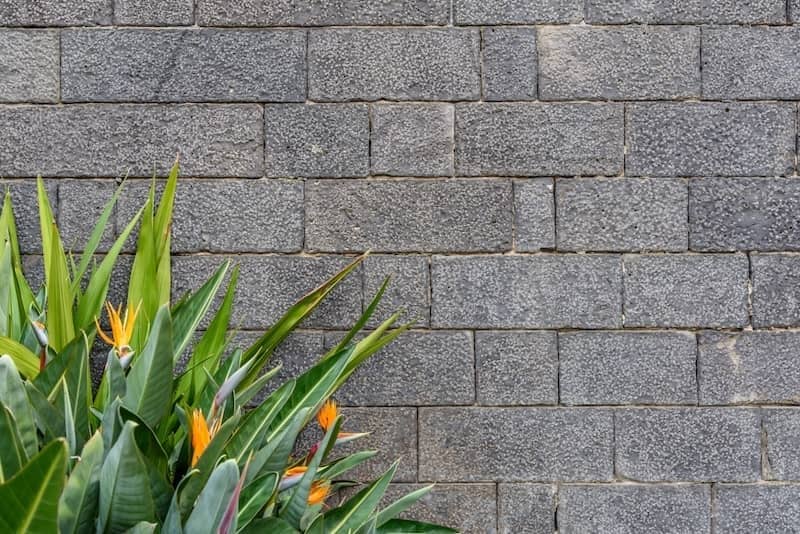
When selecting materials, consider visual harmony, durability, and maintenance. Natural stone, such as fieldstone, bluestone, or limestone, offers timeless character and weathers beautifully. Concrete segmental block brings consistency and built-in ease of installation; you can match the finish to patios or steps. Boulders deliver a rugged, organic look that blends seamlessly with planted slopes.
Think about color coordination, too. A warm-toned block complements reddish brick patios, while cooler grey stone pairs with sleek pavers. You can even incorporate decorative insets, like stacked stone veneers or integrated lighting, to turn the wall into a visual anchor. The right capstone finishes off the look and provides seating or safe edges.
Design Considerations for Visual Impact
You’ll want your retaining wall to feel integrated, not tacked on. Consider these design cues:
- Height and Layering: Stagger tiers at natural intervals to avoid monotony. Each flattop area can become a garden terrace or a patio nook.
- Softscape Contrast: Use lush plantings above or below the wall: ornamental grasses, trailing vines, and native perennials can soften hard edges.
- Transitions: Tie wall lines into steps, seating, or fire features. A short stairway integrated into a wall makes the flow seamless.
By balancing hardscape geometry with organic curves in planting beds, you’re orchestrating harmony between structure and nature. That visual rhythm makes your landscape feel grand and inviting.
Integrating Retaining Walls into Your Overall Hardscape
When you combine retaining walls with patios, walkways, and seating areas, you’re creating a cohesive outdoor living design. Picture arriving at a tiered yard: you step onto a paver path bordered by a low wall, then ascend a few risers to a spacious patio with built‑in bench seating facing a lawn held firm by a high wall at the rear. Pool decks and outdoor kitchens can also benefit from raised planting zones behind retaining walls that provide screening or greenery without taking up space at grade.
Walls empower you to carve distinct zones: a conversation area, a dining terrace, and an herb garden. Each zone feels intentional because you’ve used vertical definition as much as horizontal. If you’re in a hilly region, walls let you harness the slope to your advantage rather than fight it. Adding retaining walls might be the final puzzle piece to create your perfect bespoke hardscape installation.
Maintenance Tips to Keep Your Walls Looking Pristine
Even the most robust retaining walls need care. To preserve structural integrity, you must monitor drainage features and ensure that downspouts direct water away from the wall face. Clean any accumulated debris from weep holes to avoid trapped moisture.
For stone walls, occasional power washing and resealing (if applicable) will keep mortar joints tight and free of moss or staining. To keep your retaining walls at a high standard, residential outdoor maintenance companies should be able to advise you on how often these tasks need to be carried out and set up a maintenance schedule with you.
You should carefully choose what you plant along wall edges because deep‑rooted species can disturb block systems over time. Instead, opt for shallow‑rooted groundcovers or ornamental grasses. Regular pruning and a watchful eye keep plantings from overwhelming the structure. With a maintenance plan in place, your retaining walls will remain both functional and beautiful for decades.
Benefits You’ll Experience
With retaining walls woven seamlessly into your hardscape, you’ll enjoy:
- Better yard functionality and usable space
- Enhanced erosion control and drainage management
- Distinct zones that flow naturally across your property
- Aesthetic impact that elevates value and curb appeal
By combining design, engineering, and finishing, you can transform a sloped or uneven yard into an elegant, multi‑layered retreat.
Plan Your Perfect Hardscape Design
If you want to upgrade your outdoor living with structural elegance, retaining walls are one of the smartest investments you can make. They solve hardscape challenges and add architectural flair in one brilliant stroke. When well integrated, respecting sightlines, material choices, drainage, and layering, walls become the backbone of your landscape design.
Take action today: sketch your slope, imagine seating ideas, explore materials, and consult a hardscape expert. With retaining walls integrated into your plan, your yard will deliver form, function, and lasting beauty throughout the seasons.