
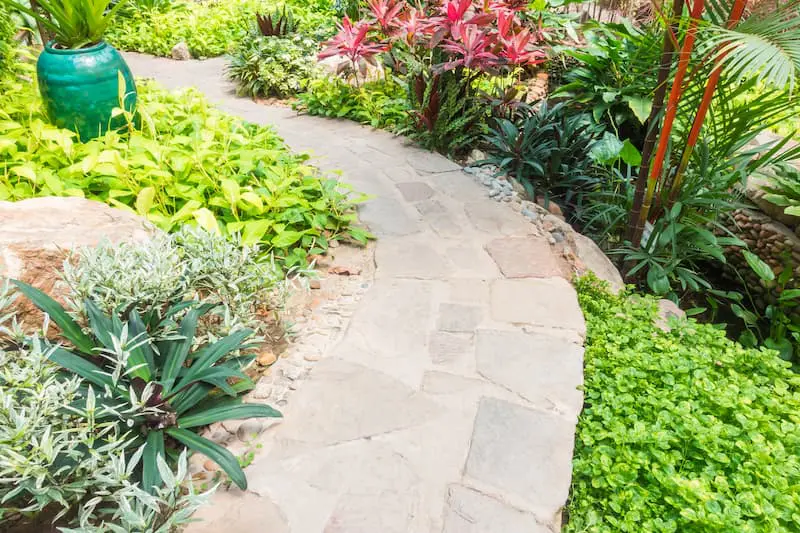
Hardscaping projects can transform a basic yard into a beautiful outdoor space. From patios to fire features, these elements create an excellent outdoor area for you to enjoy.
But unlike planting flowers or spreading mulch, hardscape installation is anything but a simple weekend task. Some projects demand experience and specialist tools that most homeowners don’t have at their disposal.
Knowing when to bring in a residential hardscape contractor will help save you time and frustration. Let’s explore which hardscaping projects you should never try to DIY, and why hiring qualified pros is the best path forward.
Patio Installation
Laying a patio might seem straightforward, like placing pavers on the ground, but in reality, it’s one of the most common DIY disasters in residential landscaping.
The key to a durable and attractive patio lies in the foundation, and that’s where most homeowners often go wrong. Without proper grading, compaction, and a well-planned base, your patio can shift and develop uneven spots within months.
A local patio builder understands how to design patios that integrate with your home’s existing slope and drainage system. They also use specialist equipment to create a stable base and lock everything in place. If you want your patio to last more than a season or two, it’s worth working with a professional team from the get-go.
Retaining Walls
Retaining walls serve both aesthetic and structural purposes. They might hold back soil on a sloped yard or frame a raised garden bed. However, they need to be engineered correctly to avoid collapse, and that is where DIYing them is dangerous.
Retaining walls, especially those exceeding a certain height, must be constructed with proper reinforcement and a solid base. Even a small miscalculation in height or materials can cause cracking or buckling.
Professional hardscape and softscape experts use retaining wall systems that are rated for specific loads and soil types, ensuring long-term integrity and safety.
In areas with strict building codes or high rainfall, hiring a professional retaining wall contractor becomes even more essential. Don’t risk property damage or a failed inspection by trying to save a few bucks on a DIY project.
Walkways and Pathways
A professional walkway is even, accessible, and complements the layout of your yard. Building one requires thoughtful planning and an eye for design.
A common DIY mistake is skipping proper base compaction or failing to account for run-off. This leads to heaving, uneven stones, and water pooling where it shouldn’t.
Pros not only address these technical details but also help you select materials that work with your home’s style and climate.
If you have mobility needs in your household or want a polished look that adds to your home’s resale value, don’t gamble with an uneven DIY path. An experienced hardscape provider ensures both safety and curb appeal.
Outdoor Kitchens and Fire Features
Outdoor kitchens, fireplaces, and fire pits are high-impact upgrades that require plumbing, gas line installation, fire-safe materials, and often electrical work. Any time utilities are involved, you’re looking at a professional job.
Incorrectly installed fire pits or grills pose a real safety hazard. Local building codes often have rules about clearance, venting, and placement near structures or property lines. Licensed hardscaping professionals understand these codes and use fire-rated materials to ensure your setup is both functional and compliant.
Trying to cut corners on outdoor kitchens or fire elements is a fast way to get hit with fines or, worse, put your family at risk. Trust these projects to professionals.
Drainage-Integrated Features
Some of the most critical hardscape elements in your home are those that you don’t notice because they’re doing their job behind the scenes.
Features like French drains and dry wells prevent flooding and erosion. They also protect your foundation and keep your yard from turning into a swamp every time it rains.
Homeowners often install hardscape surfaces without understanding the impact they have on drainage. That beautiful patio or driveway can actually funnel water straight toward your house if not planned correctly.
Experts know how to integrate subtle grading changes and install drain tiles that move water away from structures, preventing long-term damage.
If you’re noticing puddles or soggy patches near existing hardscaping, it may be time to consult professionals for a drainage redesign before installing anything new.
Outdoor Staircases and Steps
Uneven steps, those that are too steep or poorly supported, become hazardous quickly. DIYers often attempt to build staircases using guesswork and basic tools, unaware of local code requirements or ergonomic standards.
Professional hardscape installers follow guidelines for tread depth, riser height, and handrail placement. They also anchor stairs into the landscape to prevent shifting, cracking, or sagging over time. Whether you’re building stairs into a hill or along a pathway, the margin for error is too small to go it alone.
A poorly built set of steps could lead to injuries or liability issues. Let a team with structural experience handle this one.
Let the Pros Build It Right the First Time
Hiring professionals helps you avoid mistakes and get long-lasting value. Well-executed hardscaping elevates your home’s appearance and increases property value. Bad hardscaping does the opposite; it becomes a liability you eventually have to pay to remove.
Working with experienced teams also saves time. Instead of spending weekends wrestling with DIY, you can focus on enjoying your space while professionals do the heavy lifting.
Your outdoor spaces are an extension of your home, and you deserve hardscaping that reflects that. Whatever you’re dreaming of, trust the people who do it every day.
Professional installation brings peace of mind and beauty that lasts. If you’re unsure where to begin, reach out to the best hardscape and softscape services here in Richmond, VA, to talk through your vision. The right crew will create a space you’re proud to live in year after year.