
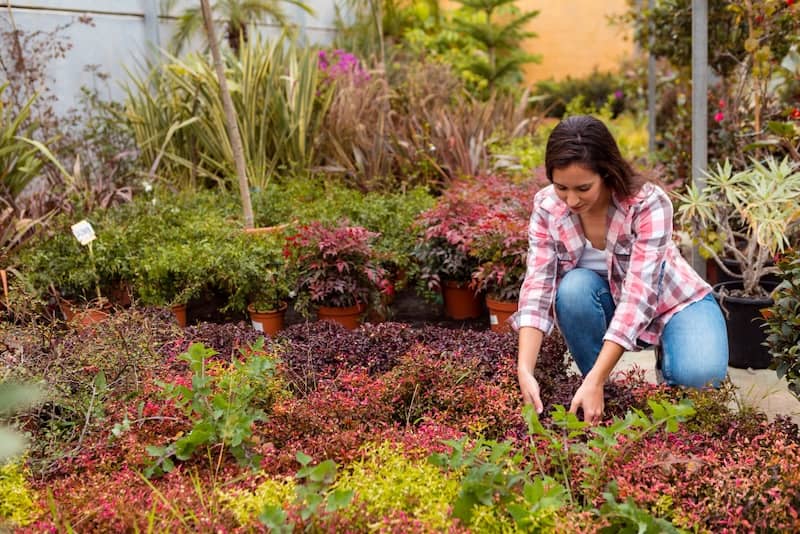
Permaculture may be the solution for making your outdoor space more sustainable without compromising on beauty or comfort. A step beyond traditional landscaping, permaculture softscape design creates a thriving, self-sustaining ecosystem. With the right approach and an experienced local expert guiding you, your yard can become a balanced environment that looks stunning and works in harmony with nature.
Instead of constantly fighting against weeds or erosion, your outdoor space will work with your environment, not against it. The result is a landscape that’s both ecologically sound and deeply rewarding to live in.
What Is Permaculture Landscaping?
Permaculture landscaping combines sustainable design and ecology into a unified system that mimics natural ecosystems. The term “permaculture” comes from “permanent agriculture,” and that’s precisely what it aims to achieve: An outdoor environment that sustains itself through natural cycles.
In practical terms, that means your garden layout is intentionally designed so every element supports another. Water flows where it’s needed. Composting and organic matter maintain the nutrient cycles. Plant choices complement your climate and soil type.
Principles such as diversity, efficiency, and regeneration form the foundation of a well-designed permaculture landscape. Your personalized permaculture outdoor design and installation will combine the best plants to create resilience and reduce the risk of pests, capture rainwater, recycle waste, and maintain healthy soil.
In essence, permaculture landscaping is a method of creating beauty and abundance that requires minimal intervention.
Permaculture Could Be Perfect for You
Permaculture offers something most landscaping methods don’t: A deep alignment between your lifestyle and your land.
Once established, a permaculture landscape largely takes care of itself. Plants are chosen for compatibility, the soil is enriched naturally, and water systems are self-regulating. The means you rely less on fertilizers and expensive irrigation, so your investment pays for itself through sustainability.
Also, your garden will attract pollinators, such as bees and butterflies, and create a sanctuary for birds and other wildlife. Your luxury design will make a lush landscape all year round, providing you with a precious outdoor space to enjoy.
By adopting a permaculture solution, your yard becomes an eco-friendly outdoor space with a strong visual statement. A tranquil oasis that grows stronger and more self-sufficient every season.
Designing a Functional and Beautiful Ecosystem
A successful permaculture design requires a balance between functionality and aesthetics. The goal isn’t just to create a productive garden, but to integrate it naturally with your outdoor living areas.
For example, you can redirect water from roof gutters to rain gardens or collection barrels that irrigate your plants. Raised garden beds made from natural materials can frame patios or pathways, merging food production with outdoor entertaining spaces. Fruit trees and berry bushes can provide privacy, shade, and fresh harvests all at once.
Design elements often include:
- Zoned Layouts: Arranging your property into zones ensures efficient maintenance and management. The areas you visit most, such as herb gardens or patios, should be located closest to your home, while fruit trees and composting areas are typically placed farther away.
- Companion Planting: Certain plants benefit one another when placed together. For instance, marigolds can deter pests near tomatoes, while nitrogen-fixing plants like clover enrich the soil for nearby vegetables.
- Natural Water Management: Techniques such as rain gardens and permeable pavers help manage runoff and keep your soil naturally hydrated.
These thoughtful touches make your landscape self-regulating while remaining elegant and inviting.
Why You Should Work with a Local Expert
Permaculture thrives when customized to your local environment. Soil type, rainfall, native vegetation, and even microclimates all play critical roles in creating a successful design.
A local softscape and hardscape expert can assess your property and recommend the best strategies for your unique conditions. In Virginia, for instance, diverse landscapes range from lakeside environments to wooded hillsides, each with different challenges and opportunities.
Working with professionals ensures that your permaculture landscape is both visually refined and ecologically sound. They’ll design a layout that reflects your property’s natural contours while aligning with your goals for beauty, functionality, and sustainability.
Bringing Permaculture to Life
Transitioning to a permaculture-based landscape doesn’t mean that you have to rip everything out and start from scratch.
You might start by replacing traditional lawn sections with edible gardens, introducing native plants that support pollinators, or installing a rainwater harvesting system.
Each small change contributes to a larger, more resilient ecosystem that thrives over time. The beauty of permaculture is that it adapts and improves, rewarding you with abundance the longer it matures.
When you work with a professional team, you gain the benefit of design foresight, anticipating how your space will evolve and ensuring each addition supports long-term growth and development.
Whether your vision includes fruiting hedges, natural stone pathways, or self-watering garden beds, the process starts with understanding how every piece fits together.
Transform Your Property with Permaculture
If you’re ready to create a landscape that’s as smart as it is stunning, it’s time to explore permaculture with a trusted local expert. Whether you’re envisioning a productive edible garden, a water-wise planting layout, or an integrated outdoor living space, find a team that can bring your ideas to life. Then, once installed, enjoy the beauty of your low-maintenance, thriving outdoor oasis.