
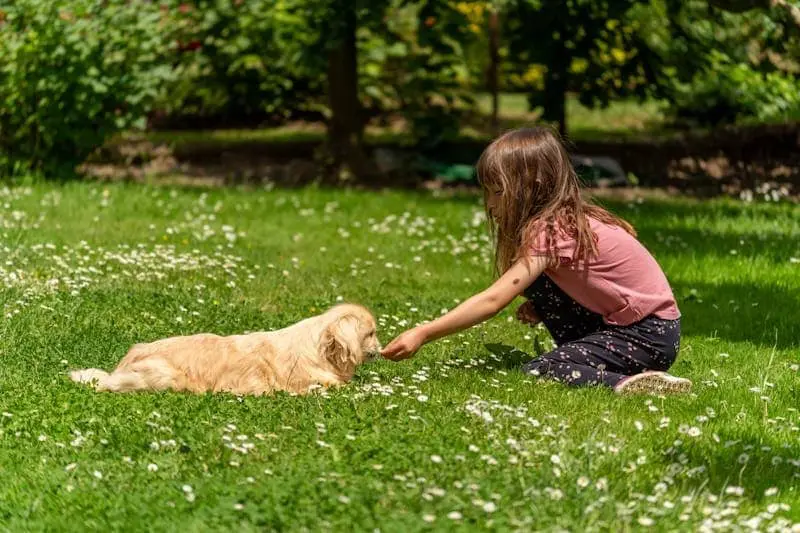
If your beloved Fido treats your lawn like his own personal playground, you want it to be a safe place for him.
You probably already know that some lawn treatments can be toxic, but you may not realize how easily your pets can come into contact with harmful chemicals. They can quickly absorb toxins from digging in the soil to licking their paws after romping on freshly treated grass. To avoid this risk, you must proactively search for “pet-friendly lawn care near me” and ask the right questions before hiring a lawn care provider or buying products for DIY care.
1. What Types of Fertilizers Are Being Used?
Start by asking exactly what your landscapers are putting onto your lawn. Not all fertilizers are created equal. Many commercial options contain nitrogen, phosphorus, and potassium in forms that may be harmful to pets if ingested or tracked into your home. Look for services or products that clearly state they’re a “pet-safe lawn treatment company” or offer “organic gardening supplies.” Organic options like compost or fish emulsion support your soil’s natural biology and minimize risks for curious cats and dogs.
However, just because a product is labeled “natural” doesn’t mean it’s harmless. Bone meal, for instance, is often marketed as organic but can be dangerous if your dog digs it up and eats it. And they will try to eat it; the saying “like a dog with a bone” had to come from somewhere. Always request a complete ingredient list or material safety data sheet (MSDS) to verify safety.
2. How Long Before Pets Can Go Back on the Lawn?
One of the most critical questions to ask your lawn care professional is how long pets should stay off the lawn after treatment. Even pet-safe products often require a drying or absorption period. A responsible provider will give you a specific timeframe based on weather conditions and product type.
Don’t settle for vague answers like “just a few hours.” Ask whether walking, lying down, or digging will expose your pet to any risk. Ideally, you should be told when it’s 100% safe for your pets to return, not just when the product looks dry.
3. Are Weed Control Products Safe for Pets?
Weed control can be one of the biggest threats to pet safety. Products containing glyphosate or 2,4-D have been linked to serious health concerns in dogs, including skin irritation, gastrointestinal upset, and even long-term risks with repeated exposure. If weed control is part of your lawn plan, ensure it’s targeted and applied in areas your pets don’t frequent. Or better yet, opt for pet-safe alternatives like vinegar-based or mechanical weed removal.
Spot-treatment approaches often work best when you want to minimize chemical exposure while still maintaining curb appeal. If your lawn care service uses a blanket approach, it’s worth asking for a customized plan that prioritizes safety.
4. What Is the Application Method?
The method of applying lawn treatments plays a massive role in safety. Granular applications are safer for pets than sprays because they are less likely to coat fur and paws, though they can still pose a risk if ingested.
Spray applications, especially on windy days, can drift and settle on surfaces where pets eat or rest. Ask how the product is applied, what measures are taken to reduce exposure, and whether reentry instructions differ for different methods.
Also, ask whether the provider uses marking systems like flags to indicate treated areas. This will help you keep track and set boundaries until everything is safe again.
5. Will You Monitor Soil Health Naturally?
A lawn that needs constant treatment may not be a healthy one to begin with. A soil-first approach is often the best path to a lush lawn without risky chemicals. Ask whether your lawn care company conducts soil tests and recommends natural amendments like compost, worm castings, or aeration.
The healthier your soil, the less reliant you’ll be on fertilizers, herbicides, and other potentially harmful substances. If your service doesn’t address underlying issues, such as compacted soil or pH imbalance, you’re likely stuck in a cycle of chemical treatments that could harm your pets over time.
6. Can I Be Notified Before Each Treatment?
You should never discover your lawn was treated after your pet has walked through it. Request a lawn care schedule and ask for notifications before each service. This gives you time to prepare by walking your dog elsewhere that day, cleaning up pet toys from the yard, or simply keeping your pets indoors.
Some companies now offer text or email alerts with application details and safety timelines, which is ideal. If your provider can’t guarantee notice ahead of time, that’s a red flag.
7. What Certifications or Practices Ensure Pet Safety?
Look for providers who go above and beyond basic EPA regulations. Ask about certifications from the National Organic Program (NOP) or EcoCert. Some companies even specialize in pet-safe lawn care, which will prominently feature in their marketing or service materials.
Don’t be afraid to push for transparency. If your service can’t answer your questions confidently or clearly, it might be time to find a premium residential lawn maintenance company that can answer them. Your pets are worth it.
Pet-Friendly Lawn Tips You Can Do Yourself
Even if you’re not using a lawn care service, how you care for your lawn can affect your pets. Here are a few safe practices you can adopt on your own:
- Mow regularly at a higher setting to crowd out weeds naturally.
- Rinse treated areas with water if your pet accidentally enters too soon.
- Keep a designated potty area for pets that doesn’t require as much treatment or fertilizer.
These steps reduce exposure and give your pets space to play safely while keeping your lawn looking great.
Keep Your Pet’s Safety Front and Center
Safe and pet-friendly lawn care starts with asking the right questions and holding providers accountable. From what goes on your grass to how it’s applied and how long it lingers, every detail matters when you’ve got four-legged family members counting on you. You don’t have to sacrifice a beautiful yard to keep your pets safe; make informed choices that balance aesthetics with responsibility.
Whether working with a pro or handling your own lawn care, keep pet safety front and center. Your lawn should be a sanctuary where your whole family, whether they walk on two legs or four, can thrive.
Video

Infographic
Some lawn treatments can be harmful to pets, often without you realizing it. A healthy lawn shouldn’t come at the cost of your pet’ safety. This infographic shares seven essential questions to help ensure your lawn care is pet-safe.
