
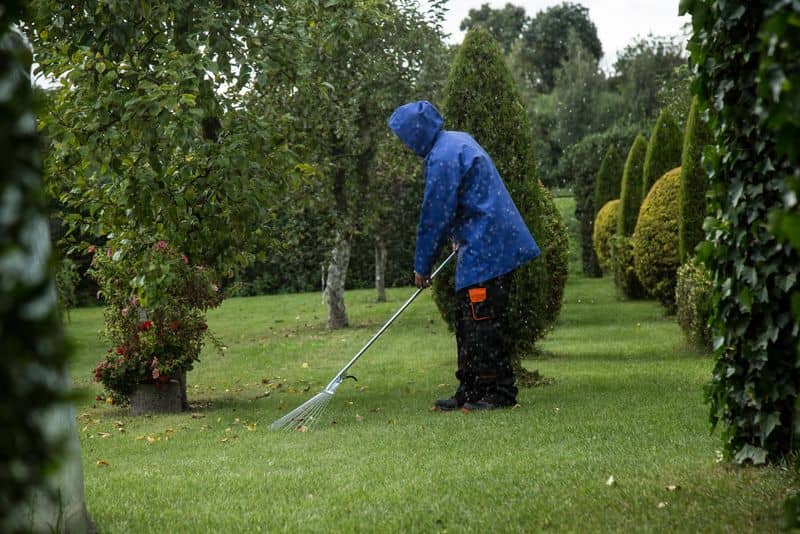
A freshly pressure-washed patio and a neatly manicured lawn certainly look like good yard upkeep. They make a property feel well-cared-for. But keeping an outdoor space clean isn’t the same as keeping it healthy and functioning properly. That’s a distinction many homeowners overlook, and by the time problems become visible, the damage has often been developing for a while.
Understanding the difference between basic surface cleaning and comprehensive outdoor maintenance can help you protect your investment, extend the life of your landscape, and avoid costly issues that often start long before they become obvious.
What Surface Cleaning Does Well
Surface cleaning absolutely has genuine value. Clearing debris, pressure-washing pavers, removing algae from stone, and cleaning away built-up stains all help keep an outdoor space looking its best. In some cases, cleaning also helps protect the materials themselves. Moss and algae can gradually break down certain stone and concrete surfaces, so removing them provides both aesthetic and functional benefits.
Seasonal cleaning also plays an important role. A thorough cleanup before winter removes leaves and organic debris that hold moisture against hardscape surfaces and contribute to damage during freeze-thaw cycles. A spring cleanup after a Virginia winter gives you the chance to spot anything that may have shifted, cracked, or deteriorated so those issues don’t linger unnoticed through another season.
The problem starts when homeowners treat surface cleaning as the entire maintenance plan rather than just one part. Cleaning only addresses what you can see. It removes dirt, debris, and buildup from the surface, but it doesn’t tell you what’s happening underneath or within the systems that support the landscape.
A freshly cleaned patio can look flawless while sitting on a failing base. A neatly maintained lawn can appear healthy while compacted soil slowly weakens the roots below. Surface cleaning won’t reveal drainage issues, unstable hardscape joints, or the early signs of plant stress and structural movement that trained hardscape experts look for during a thorough maintenance inspection.
The Layer That Cleaning Never Reaches
The best outdoor maintenance starts where basic cleaning stops. Instead of focusing on what you can see, it looks at the systems and structures that keep your landscape functioning properly over time.
Drainage is a great example. The way water moves through and around your outdoor space affects the performance of almost everything else. A patio or walkway can look clean and perfectly intact while still allowing water to run toward the foundation, collecting runoff in low areas, or allowing moisture to build up beneath paved surfaces, gradually weakening the base below. Surface cleaning won’t show you those problems. A thorough maintenance inspection will.
The same is true for hardscape joints. The spaces between pavers, natural stone, and retaining wall components help hold the entire system together. Over time, those joints can wear down, allow water to seep in, and create openings for weeds and roots to take hold. A pressure wash may make everything look clean, but a maintenance inspection looks for movement, separation, and early signs of erosion that are usually inexpensive to fix when caught early. Left unchecked, failing joints can eventually compromise the surface above them.
Structural monitoring adds another important layer. Retaining walls and grading features on sloped properties support real weight and naturally respond to changing soil conditions throughout the year. A small crack or slight lean found during a routine maintenance visit is often a simple repair. The same issue discovered a couple of seasons later, after water has been working through an unnoticed gap, is rarely as straightforward. The longer a problem goes undetected, the larger and more expensive the repair usually becomes.
Soil Health, Compaction, and Plant Stress Can’t Be Cleaned Away
The difference between cleaning and true maintenance is just as important on the softscape side of your outdoor space.
A lawn that’s regularly mowed, edged, and cleared of debris may look well-maintained, but appearances only tell part of the story. What really drives the health of your lawn and plants is the condition of the soil underneath. In Virginia, clay-heavy soils naturally become compacted over time from foot traffic, lawn equipment, and even repeated rainfall.
When soil becomes compacted, the particles are pressed together too tightly. Air and water can’t move through it the way they should. Roots struggle to grow, moisture doesn’t absorb properly, and the result often shows up as thin patches, stubborn dry areas, and increased runoff. Many homeowners assume these are watering issues when the real problem is happening below the surface.
Soil testing adds another layer of insight. Problems with pH, nutrient levels, or organic matter can all affect how plants grow and how well fertilizers and soil amendments actually perform. A complete softscape maintenance service usually includes regular soil assessments to help identify issues early, before they spread throughout the landscape.
Plant health works much the same way. A shrub or ornamental tree may look perfectly healthy from across the yard while showing early signs of root stress, nutrient deficiencies, or pest activity up close. Experienced maintenance teams inspect landscapes with that level of detail, spotting concerns while they’re still small and manageable.
By the time visible damage appears, the underlying issue has often been developing for weeks or months. Catching problems early is usually less expensive, less disruptive, and far more effective than trying to reverse major damage later.
What Longevity Actually Requires
A property that gets cleaned regularly but doesn’t receive comprehensive maintenance will usually still look fine. That’s what makes it so easy to stop there. The problem is that the consequences of skipping deeper maintenance tend to build slowly in the background and then become obvious all at once.
A patio or walkway that isn’t regularly checked for drainage issues or base movement may eventually need major repairs instead of the smaller fixes that early detection makes possible. Plants that aren’t monitored for soil health and early signs of stress may need to be replaced rather than treated. And drainage problems that go unchecked for years can create issues that affect not only the landscape but also the home’s foundation.
A high standard residential outdoor maintenance program helps prevent those problems by treating the landscape as a complete system rather than a collection of individual surfaces. Cleaning is one part of that system, but so are drainage management, joint maintenance, structural inspections, soil health, and plant care. When all those pieces work together, the landscape stays both attractive and durable, rather than relying on surface-level improvements that look good but do little to support long-term performance.
For homeowners who have invested in a quality outdoor space, that level of care helps protect the investment over time. It also makes seasonal upkeep more efficient. Landscapes that receive consistent maintenance usually need fewer major corrections to keep an outdoor space looking and feeling its best year-round.
Clean Enough Isn’t the Same as Cared For
Surface cleaning is something you should include in your outdoor maintenance plan. But a common mistake is assuming that it is the whole plan. A yard can look clean and well cared for while still harboring hidden drainage issues, structural concerns, or underlying problems that affect its long-term health.
You’ve invested in your outdoor space, and protecting that investment takes more than occasional cleanup. Use a local concierge hardscape and softscape service, and go beyond basic care to address everything beneath the surface too.