
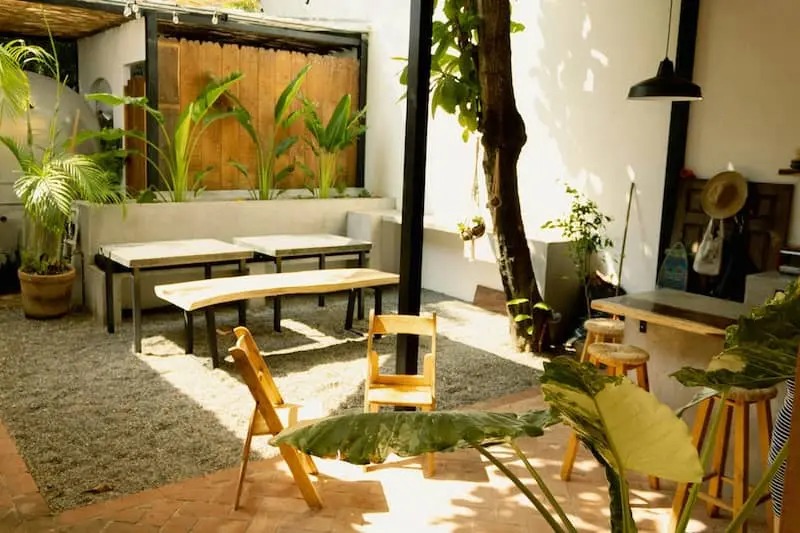
Choosing materials for your outdoor space might start with what looks good on Pinterest. But with the help of a bespoke outdoor living contractor, you can find the right balance of form, function, and durability, all while staying within your budget. The materials you select will shape your entire outdoor experience, from how comfortable you feel walking barefoot on a patio to how well your space holds up through seasonal changes.
The decision-making process can be overwhelming, whether you’re starting fresh or upgrading part of an existing layout. Pavers, stone, gravel, wood, composite, and concrete each have their own pros and cons, and the best choice depends on your lifestyle, local climate, maintenance expectations, and design goals.
This guide walks you through the major considerations for selecting the perfect materials, so your outdoor space is beautiful and built to last.
Understand the Function of Each Area First
Before selecting materials, consider how you’ll use your outdoor space. Are you a social butterfly who wants the area primarily for entertaining? Or are you a bookworm who wants a quiet, reflective garden to relax in? Is it a high-traffic area for kids or pets to run around and play in? Each purpose influences the type of material that makes the most sense.
For example, if you host dinner parties often, your patio must be level, durable, and attractive. You would be best selecting pavers or stamped concrete. That way, you can work with your residential hardscape experts to create your ideal outdoor dining area.
If you’re building a meditation path through a garden, gravel or natural stone may feel more organic and peaceful. Areas with heavy foot traffic (like pathways from your home to the garden shed) should prioritize longevity and slip resistance.
By defining the function first, you can rule out materials that might not suit the space and save time and money.
Balance Aesthetics with Practicality
Materials bring texture, color, and personality to your yard, but must also work with your home’s architecture and natural surroundings.
Large-format concrete slabs or sleek composite decking might create visual harmony for a modern home with clean lines. But if your home leans traditional, natural stone or brick would better match the tone and scale.
Don’t forget to factor in heat. Some materials, like dark stone or wood, can absorb a lot of sunlight during the day, making them uncomfortable underfoot unless shaded.
Just as importantly, consider how the material will age. Wood, for instance, weathers beautifully but requires regular sealing to avoid rot or splinters. Flagstone offers timeless appeal and is naturally slip-resistant, but it can shift over time if not installed with a proper base.
Aim to select timeless materials so your design remains enjoyable for years.
Consider Your Climate and Weather Patterns
Your location plays a huge role in how well your chosen materials perform. Virginia, for instance, sees all four seasons, so freeze-thaw cycles, summer heat, rain, and humidity must all be considered.
In areas prone to seasonal freeze-thaw cycles, like much of the Mid-Atlantic, pavers and natural stone are preferable to poured concrete, which may crack over time. Moist environments benefit from breathable, permeable surfaces that reduce water pooling and minimize moss buildup.
If your yard gets lots of sun, lighter-colored materials will reflect heat better and stay cooler underfoot. If it’s shady and damp, prioritize slip resistance and look for materials that resist mold and algae.
Choosing climate-appropriate materials upfront helps you avoid costly repairs or premature replacements later.
Prioritize Low-Maintenance Choices for Busy Lifestyles
If you love the look of natural wood but hate sanding, staining, and sealing every year, there’s no shame in opting for a composite or faux-wood alternative. Today’s low-maintenance materials come in stunning finishes that closely mimic their natural counterparts—minus the upkeep.
Gravel, decomposed granite, and permeable pavers require little more than occasional weeding or raking. Natural stone paths and dry-stacked walls can last decades with minimal care. On the other hand, poured concrete may need sealing or patching every few years, depending on exposure.
Ask yourself how much maintenance you’re realistically willing to take on. Matching material performance to your available time for upkeep can save frustration and money. Seeking guidance from a hardscape expert will help you answer any questions and create a bespoke patio and hardscape installation suitable for your needs and tolerance for maintenance.
Explore Sustainable and Eco-Friendly Options
Sustainability isn’t just a buzzword; it’s a smart way to future-proof your outdoor space. Many eco-friendly materials, with a smaller environmental footprint, are just as durable and aesthetically pleasing as traditional ones.
Permeable pavers help reduce runoff and support stormwater management. Recycled composite decking diverts plastic and wood waste from landfills. Locally sourced stone minimizes transportation emissions and supports regional economies.
Even gravel or mulch paths contribute to a sustainable design when appropriately installed. Look for materials certified by organizations like the Forest Stewardship Council (FSC) or made from reclaimed content when possible.
Choosing responsibly sourced materials is better for the planet and it often results in more authentic, lasting beauty.
Match the Material to the Mood
Think of each outdoor area as having its own “personality.” The materials you use should reinforce the feeling you want to create.
Warm-toned brick or rustic flagstone creates a welcoming atmosphere for a cozy outdoor dining space. Smooth river rock and soft decking evoke calm for a spa-like garden retreat. If your vision includes a bold, architectural statement, concrete with graphic scoring or custom inlays might be the right fit.
Texture also affects mood. Smooth surfaces feel modern and clean, while rougher finishes evoke a sense of nature and tradition. Don’t underestimate how the tactile experience of walking barefoot on a path or brushing your hand along a wall affects how a space makes you feel.
Your outdoor space should make you feel happy and relaxed, and the materials you and your hardscape contractor use have a massive impact in creating that peaceful area.
Integrate with Planting and Lighting
The best material choices complement other elements like garden beds, lighting, and furniture. If your hardscape cuts off or dominates your planting areas, your yard can feel sterile or disconnected.
Use natural edging stones to separate paths from flower beds without harsh transitions. To soften the layout, leave space between pavers for groundcovers like creeping thyme or moss. Pair wooden decks with warm-toned lighting and lush planters to blend modern structures with living color.
Your choice of materials is not isolated; it’s part of a living, evolving outdoor environment. Choose combinations that invite connection and flow.
Work with a Contractor Who Understands Material Nuances
Not all stone is created equal, not all pavers install the same way, and not all concrete mixes perform the same in changing temperatures. A skilled contractor or designer can explain the subtle differences in products, ensure proper installation techniques are followed, and help avoid common mistakes that compromise durability or aesthetics.
They may also introduce you to custom materials you hadn’t considered, such as sand-set porcelain pavers, reclaimed brick, or local fieldstone blends, which elevate your project without blowing your budget.
Don’t just choose materials based on looks or price alone. A professional’s insight can help you avoid costly do-overs and unlock design potential you didn’t know existed.