
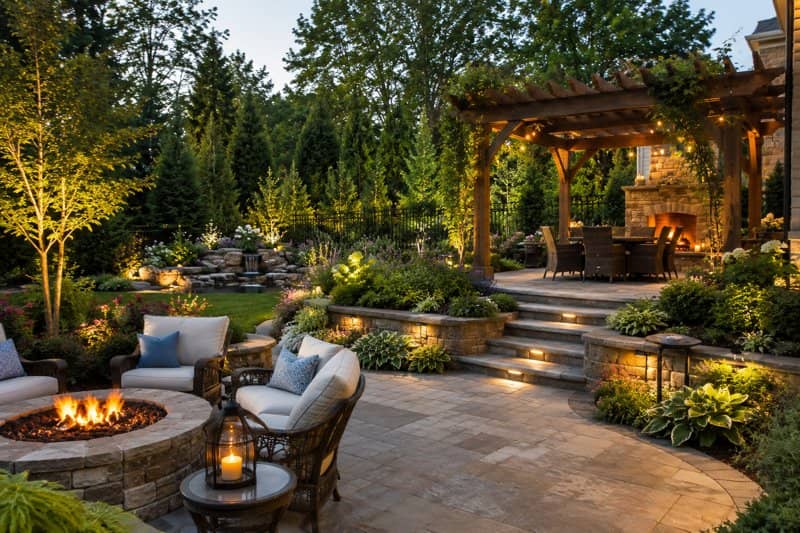
The backyard that feels like a true retreat isn’t necessarily the one with the most features. It’s the one where every element has been thoughtfully placed with a purpose.
In Midlothian, where many residential properties offer the space and natural character to create a private outdoor setting, the difference between a yard that looks nice and one that feels like a retreat comes down to thoughtful planning.
A sense of privacy and calm doesn’t come from randomly placing plants and structures without a clear vision. It comes from making intentional design choices to create your perfect, private space with the help of hardscape and softscape outdoor living experts.
Plan the Retreat Before You Build It
One of the most common mistakes in outdoor living design is focusing on individual pieces rather than the space as a whole.
A patio gets added here, a privacy fence goes up there, a planting bed gets installed somewhere else, and a few years later the yard becomes a collection of separate elements that never quite come together.
A truly enjoyable outdoor retreat starts with a plan for the entire property. It considers where the main gathering space should go, how people will move from one area to another, where privacy already exists and where it needs to be created, how elevation changes can shape different spaces instead of being flattened, and how each area connects to the next are all decisions that should happen before construction begins. This approach creates a space that feels intentional and connected rather than pieced together.
Midlothian’s wooded neighborhoods and sloped properties often offer natural advantages from the start. Mature trees, grade changes, and existing screening along property lines can become valuable parts of the design rather than obstacles to work around. The planning process examines what the site already offers and uses those features as a foundation for creating a more natural, thoughtful outdoor environment.
When your outdoor space feels naturally private and effortless, it’s usually because the design began with the property itself rather than imposing a layout on it.
Build Hardscape That Can Hold the Design
Hardscape is the heart of a private outdoor retreat. The patio, retaining walls, walkways, and overhead structures, like pergolas, all work together to define your space. When these elements are well planned, the rest of the outdoor environment has a strong framework to build on.
In Virginia’s climate, hardscape materials need to withstand humidity, summer heat, freeze-thaw cycles, and steady seasonal rain. Choosing materials without considering these conditions can lead to faster wear, shifting from frost, and repairs that take away from the value of the original investment. Natural stone and high-quality concrete pavers perform well in this environment. The key is making sure they are installed correctly from the beginning.
The choices made during the hardscape phase also influence how a space feels. A low stone wall between a seating area and a garden creates a sense of separation without making the space feel closed in. A pergola covered with climbing vines adds the feeling of a ceiling without a permanent roof. A change in elevation between terraces can naturally separate a lively gathering area from a quieter, more private retreat.
Scale is just as important. A patio designed around how you actually use the space feels more comfortable and inviting than one built for a crowd that rarely gathers. The balance between hardscape features and surrounding plantings is what gives high-end outdoor spaces their relaxed, well-proportioned feel.
Choose Softscapes That Screen
Once the hardscape creates the framework, a luxury outdoor living softscape designer brings in plantings that then bring your space to life. Plants help create a sanctuary while adding seasonal interest that keeps the landscape feeling fresh year-round.
Screening plants are among the most effective ways to create privacy. Evergreen options like holly, Leyland cypress, arborvitae, and native Virginia sweetspire maintain their foliage through the winter months, when deciduous plants lose their leaves, leaving openings in the screen.
For lasting privacy, an evergreen border provides the foundation. Ornamental grasses, native shrubs, and flowering perennials can then be layered in front, adding texture, color, and movement throughout the seasons without relying on them for year-round coverage.
Midlothian’s heavy clay soils and warm, humid summers play a major role in plant selection. Plants that don’t tolerate poor drainage or high humidity often require more attention and may struggle before they ever become established. Native and climate-adapted plants are better suited to these conditions, developing stronger root systems and maintaining their structure with less ongoing care or supplemental watering once established.
A layered planting design, with canopy trees creating overhead structure, shrubs adding enclosure at eye level, and perennials finishing the ground layer, transforms an open yard into a space that can feel more like an outdoor room.
Arrange the Space Around Your Life
The way each space is arranged in the design determines whether your retreat truly supports how you want to use it.
A dedicated seating area should feel like a place you were meant to arrive at, not just an open space where there are chairs. When surrounded by plantings, connected to the hardscape, and positioned away from the main walkways, it becomes a destination within the landscape. A shaded corner with a bench creates a quieter escape away from the main gathering area, offering a place to enjoy the space alone when you want a little more peace.
The transitions between areas are just as important as the spaces themselves. A small change in elevation, a different paving material, or a narrow walkway between planted areas creates a feeling that you’re moving into something new. These subtle shifts add depth and create the layered experience that separates a thoughtfully designed retreat from a simple open yard. Without these transitions, even a landscape with many features can still feel like one large, disconnected space.
Thoughtful lighting allows the space to transition seamlessly from daytime relaxation to evening entertaining. Carefully placed low-voltage path lights, uplighting on standout trees, and soft lighting beneath a pergola maintain the mood after sunset without overpowering the space with harsh overhead brightness.
Protect Your Investment Through Ongoing Care
A private retreat is a living environment that changes with the seasons and how you use the space over time. Regular pruning, soil care, hardscape maintenance, and ongoing plant management are what will help preserve your retreat and keep it beautiful.
Without consistent care, the different elements of your space can start working against each other. A plant that grows beyond its intended space can crowd nearby hardscape. A retaining wall that shifts over time can affect how water moves through the property. A privacy screen that becomes overgrown can make a space feel closed in. These changes often happen gradually, but they can add up quickly without regular attention.
Annual soil testing, thoughtful fertilization, and arborist inspections every few years help keep plantings healthy and aligned with the original design. Addressing hardscape movement, settling, or wear early prevents minor concerns from becoming larger repairs. Seasonal maintenance through Virginia’s winters also helps protect both plants and materials from the freeze-thaw cycles that can impact the landscape.
Local homeowners working with award-winning concierge outdoor builders in Midlothian, VA, gain more than a thoughtfully designed environment. They also gain a long-term stewardship partnership that helps keep the space performing beautifully as it continues to grow and evolve.
When the Design Comes Together
Creating your own private outdoor retreat is a priceless addition to your home. It can change how you can use your outdoor space. When the layout is carefully planned, the hardscape is built for durability, the plantings are selected for the local climate, and each area is designed with real use in mind, the result is a space that can feel like a true haven.